
Nourish Your Mind: The Food-Mood Connection
Discover how the right nutrition choices can transform your emotional wellbeing, boost resilience, and help you feel more balanced every single day. Our comprehensive guide reveals the science behind how what you eat affects how you feel.
How Nutrition Impacts Mental Health
The connection between what we eat and how we feel is far more profound than most people realize. Your brain relies on specific nutrients to produce neurotransmitters like serotonin and dopamine—the very chemicals that regulate mood, motivation, and emotional stability.
When your diet lacks essential nutrients, your emotional wellbeing suffers. Conversely, when you consistently nourish your body with whole, nutrient-dense foods, you create the biochemical foundation for greater emotional resilience and mental clarity.
Many people report that following a whole-food-focused approach can contribute to improvements in mood stability, energy levels, and overall emotional balance. This isn't about deprivation or rigid rules—it's about understanding the food-mood science and making informed choices that work for your unique lifestyle.
Your 4-Week Emotional Wellness Journey
Follow our structured approach to building healthier eating patterns and discovering how nutrition supports your emotional wellbeing.
Week 1: Foundation & Awareness
Begin by tracking how different foods make you feel emotionally. Notice patterns between what you eat and your mood, energy, and emotional responses. Learn about the key nutrients that support emotional balance—magnesium, B vitamins, omega-3s, and amino acids. Start replacing processed foods with whole alternatives gradually.
Week 2: Building Healthy Habits
Introduce mood-supporting meals into your weekly rotation. Focus on leafy greens, fatty fish, nuts, seeds, and fermented foods that nourish your gut-brain connection. Establish consistent meal times to stabilize blood sugar and support emotional equilibrium. Begin noticing improvements in mood clarity and emotional stability as your body adjusts.
Week 3: Optimization & Fine-Tuning
Refine your eating patterns based on what you've learned about your unique body and emotional responses. Discover which foods and eating schedules support your best emotional state. Experiment with different nutrient combinations to find what works for you. Continue deepening your understanding of the food-mood connection through our guides and articles.
Week 4: Integration & Sustainability
Make your food-mood practices a permanent part of your lifestyle. Create sustainable meal plans that support emotional wellbeing while fitting your schedule and preferences. Develop strategies for maintaining your progress through challenges. Begin experiencing lasting improvements in emotional resilience, mood stability, and overall wellbeing.
Key Nutrients for Emotional Balance
These essential nutrients play crucial roles in mood regulation, stress resilience, and emotional wellbeing.
Magnesium
Known as nature's relaxation mineral, magnesium helps calm the nervous system, reduce anxiety, and support emotional stability. It regulates neurotransmitter production and helps your body manage stress responses effectively.
Omega-3 Fatty Acids
Essential for brain health and mood regulation, omega-3s reduce inflammation, support serotonin production, and enhance emotional resilience. They're particularly important for maintaining emotional stability during challenging periods.
B Vitamins
B vitamins are essential cofactors in the production of mood-regulating neurotransmitters like serotonin, dopamine, and GABA. They support energy metabolism and help your brain function optimally throughout the day.
Probiotics & Gut Health
Your gut microbiome directly influences mood and emotional wellbeing through the gut-brain axis. Fermented foods and fibre-rich plants support beneficial bacteria that produce mood-boosting compounds naturally.
Amino Acids
Amino acids are the building blocks of neurotransmitters that regulate mood, motivation, and emotional responses. Adequate protein intake ensures your brain has the raw materials needed for optimal emotional function.
Vitamin D
Often called the sunshine vitamin, vitamin D significantly impacts mood regulation and emotional wellbeing. It influences serotonin production and helps maintain emotional balance throughout the year, especially during darker months.
Mood-Boosting Recipes & Meal Ideas
Discover delicious, nutrient-dense recipes designed to support emotional wellbeing and bring joy to your table.

Nourishing Green Buddha Bowl
A vibrant, nutrient-packed meal combining leafy greens, fermented vegetables, plant-based protein, and healthy fats. This bowl delivers magnesium, amino acids, and probiotics—a trifecta for emotional balance.

Omega-3 Salmon with Roasted Vegetables
Fatty fish paired with colourful roasted vegetables creates a powerhouse meal for emotional resilience. The omega-3s support brain health while the roasted veggies provide additional micronutrients.

Mood-Boosting Smoothie Bowl
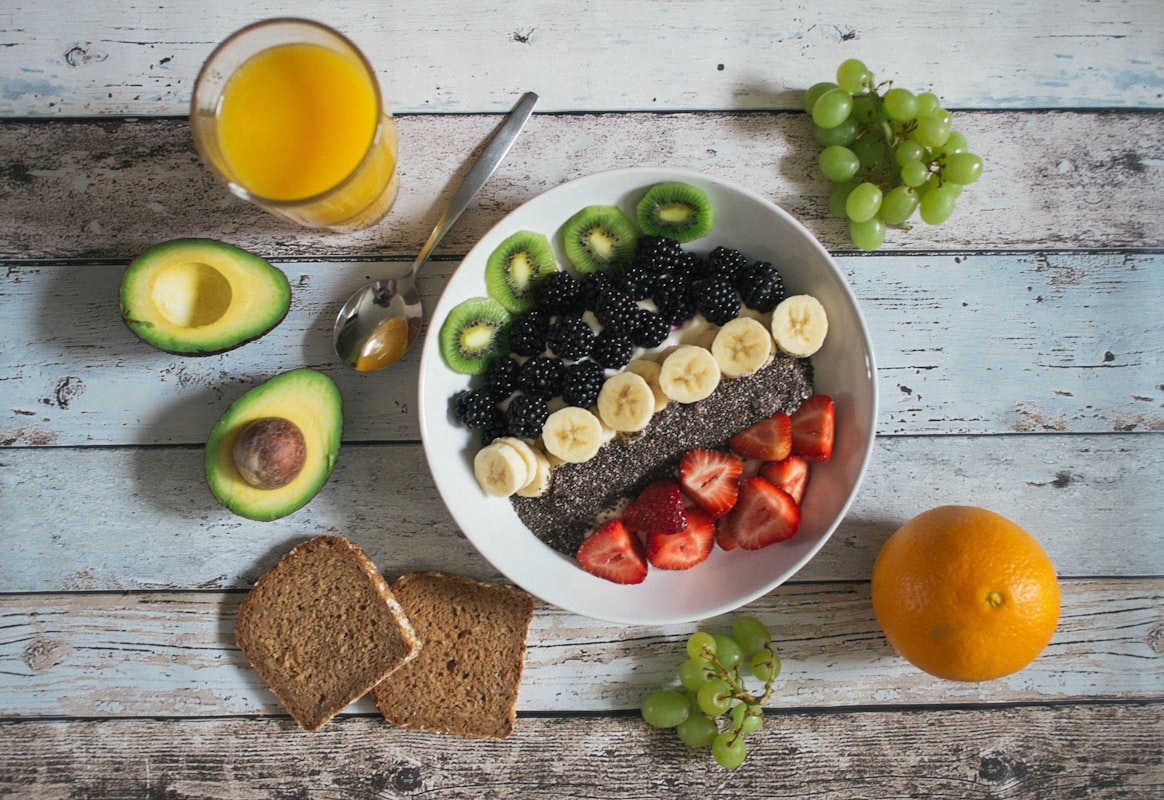
Start your day with berries, plant-based protein, healthy fats from nuts and seeds, and a base of nutrient-dense greens. This breakfast provides sustained energy and stable mood throughout your morning.

Comforting Lentil & Vegetable Soup
A warming, nutrient-dense soup packed with plant-based protein, fibre, and B vitamins. The warm comfort food aspect combined with mood-supporting nutrients makes this ideal for emotional wellness.
Real Stories of Transformation
Discover how individuals have enhanced their emotional wellbeing through understanding and applying food-mood principles.
After learning about the food-mood connection, I completely transformed my relationship with eating. Instead of reaching for processed foods when stressed, I now choose nutrient-rich meals that actually make me feel calmer and more balanced. The difference in my mood stability has been remarkable.
Sarah Mitchell
Leeds, United Kingdom
I never realised how much my diet was affecting my emotional state until I started paying attention to how different foods made me feel. Within weeks of prioritising magnesium-rich foods and omega-3s, I felt noticeably more resilient and emotionally stable. This guide was genuinely eye-opening.
James Robertson
Manchester, United Kingdom
The practical meal ideas and the science-backed explanations gave me confidence to make real changes. I've discovered that when I eat whole foods consistently, my anxiety decreases naturally and my overall emotional wellbeing improves significantly. It's like finally understanding what my body was trying to tell me.
Emma Chen
Birmingham, United Kingdom
Common Questions About Diet & Emotions
Find answers to frequently asked questions about the relationship between nutrition and emotional wellbeing.
Many people report noticing improvements in mood stability and energy within 2-4 weeks of consistently eating nutrient-dense whole foods. However, everyone's body responds differently. Some experience benefits within days, while others may take several weeks. Patience and consistency are key—the longer you maintain these practices, the more profound the emotional improvements tend to become.